Understanding the Importance of Life Lessons
Life lessons shape who we are and influence our decisions every day. Many people overlook the value of reflection, yet understanding experiences can lead to personal growth and better choices. Recognizing patterns in past actions can help avoid repeated mistakes and encourage emotional resilience.
Some common life lessons include:
-
Learning from failure rather than fearing it
-
Embracing change instead of resisting it
-
Practicing gratitude in daily life
-
Building stronger relationships
By consciously reflecting, you can transform everyday challenges into opportunities for growth.
Reflection vs Experience: Which Teaches More?
-
Experience provides raw learning moments, often unexpected
-
Reflection allows analysis, giving clarity and perspective
-
Combining both ensures deeper understanding and life wisdom
People who only rely on experience may repeat mistakes, whereas reflection makes growth intentional.
How to Practice Reflection Daily
-
Keep a journal for thoughts and observations
-
Set aside 10 minutes daily to meditate or review your day
-
Discuss experiences with trusted friends or mentors
Applying these methods consistently helps integrate life lessons into everyday decision-making, enhancing self-awareness and happiness.
Why Reflecting on Life Matters for Happiness and Growth
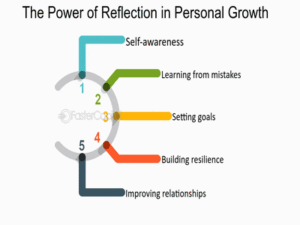
The Problem: Living Without Reflection
Many people go through life on autopilot, rarely pausing to think about their actions, decisions, or emotions. This can lead to:
-
Repeating the same mistakes
-
Feeling stuck or unfulfilled
-
Poor emotional awareness
-
Difficulty in personal or professional growth
Without reflection, experiences are lost opportunities for learning and self-improvement.
The Solution: Practicing Life Reflection
Reflection allows you to pause and analyze your experiences. By intentionally reviewing your day, decisions, and emotions, you can:
-
Identify patterns in behavior
-
Understand what brings satisfaction and happiness
-
Learn practical lessons from challenges
-
Enhance decision-making for the future
Daily Reflection vs Occasional Reflection
-
Daily reflection encourages small but consistent growth
-
Occasional reflection may miss subtle lessons or recurring patterns
-
Combining both ensures clarity and long-term personal development
Simple Ways to Reflect on Life
-
Maintain a gratitude journal and note lessons learned each day
-
Ask yourself questions like “What did I learn today?” or “How can I improve tomorrow?”
-
Meditate for 5–10 minutes to clear your mind and gain perspective
Reflection transforms experiences into actionable life lessons, leading to deeper satisfaction and emotional balance.
How Embracing Change Can Transform Your Life
The Problem: Fear of Change
Many people fear change because it brings uncertainty and discomfort. This fear can lead to:
-
Stagnation in personal or professional life
-
Missed opportunities for growth
-
Increased stress and anxiety
-
Difficulty adapting to new situations
Resisting change keeps you trapped in familiar patterns, even when they are unhelpful.
The Solution: Accepting Life Changes
Embracing change allows you to grow, learn, and discover new possibilities. By welcoming transitions, you can:
-
Build resilience and adaptability
-
Discover hidden strengths and talents
-
Improve emotional intelligence
-
Achieve personal and professional growth
Comparison: Resistance vs Acceptance
-
Resistance often leads to frustration, regret, and stress
-
Acceptance encourages learning, opportunities, and inner peace
-
Embracing change does not mean passive acceptance but conscious adaptation
Tips to Embrace Change Gracefully
-
Reframe challenges as opportunities for growth
-
Set small, achievable goals during transitions
-
Practice mindfulness to reduce anxiety
-
Surround yourself with supportive people who encourage flexibility
Accepting change as a natural part of life allows you to live more fully and confidently, turning uncertainty into powerful life lessons.
How the Power of Gratitude Can Change Your Life

The Problem: Taking Life for Granted
Many people focus on what they lack instead of appreciating what they have. This mindset can lead to:
-
Chronic dissatisfaction and stress
-
Negative thinking patterns
-
Weak emotional resilience
-
Strained relationships
Ignoring gratitude prevents you from fully enjoying life and recognizing its lessons.
The Solution: Practicing Daily Gratitude
Gratitude shifts your focus from scarcity to abundance. By intentionally appreciating what you have, you can:
-
Improve mental and emotional health
-
Enhance relationships with family and friends
-
Boost overall happiness and contentment
-
Strengthen resilience during tough times
Comparison: Complaining vs Gratitude
-
Complaining keeps you stuck in negativity and frustration
-
Gratitude cultivates optimism and satisfaction
-
Practicing gratitude does not ignore challenges but helps manage them better
Simple Gratitude Practices
-
Keep a gratitude journal and write 3 things you’re thankful for daily
-
Express appreciation verbally to people around you
-
Reflect on small moments of joy in your day
-
Use mindfulness to notice what is often overlooked
Practicing gratitude consistently allows life lessons to feel rewarding, helping you grow with positivity and calmness.
How Overcoming Failure Leads to Personal Growth
The Problem: Fear of Failure
Many people avoid challenges due to fear of failure. This fear can cause:
-
Missed opportunities for growth and learning
-
Low self-confidence and self-doubt
-
Procrastination and stagnation
-
Increased stress and anxiety
Avoiding failure keeps you from discovering your true potential and learning vital life lessons.
The Solution: Embracing Failure as a Teacher
Failure is not the opposite of success but a part of the learning process. By embracing failure, you can:
-
Gain valuable insights from mistakes
-
Develop resilience and adaptability
-
Improve problem-solving skills
-
Strengthen emotional intelligence
Comparison: Failure vs Giving Up
-
Failure offers lessons and opportunities to grow
-
Giving up prevents growth and fosters regret
-
Viewing failure as a learning experience transforms challenges into stepping stones
Tips to Overcome Failure
-
Analyze what went wrong and identify lessons learned
-
Set realistic goals and take small steps forward
-
Celebrate small achievements along the way
-
Surround yourself with supportive mentors or friends
Overcoming failure encourages personal growth and reflection, helping you turn setbacks into powerful life lessons.
How Learning from Mistakes Improves Your Life
The Problem: Repeating the Same Mistakes
Many people make the same mistakes repeatedly, which can lead to:
-
Frustration and self-doubt
-
Strained relationships
-
Missed personal or professional opportunities
-
Slower personal growth
Without reflection, mistakes become obstacles rather than lessons.
The Solution: Analyze and Learn
Learning from mistakes involves consciously evaluating your actions and decisions. By doing this, you can:
-
Understand what went wrong and why
-
Develop better decision-making skills
-
Strengthen resilience and confidence
-
Prevent similar errors in the future
Comparison: Ignoring vs Learning from Mistakes
-
Ignoring mistakes leads to repeated failures and stagnation
-
Learning from mistakes encourages growth, awareness, and adaptability
-
Reflection turns errors into stepping stones rather than setbacks
Practical Ways to Learn from Mistakes
-
Keep a journal to track errors and lessons learned
-
Seek feedback from mentors or peers
-
Reflect on daily actions and choices
-
Adjust strategies based on insights gained
By learning from mistakes consistently, you transform challenges into opportunities for growth and self-improvement, turning life lessons into valuable experiences.
Why Patience Is a Key Life Lesson for Personal Growth
The Problem: Impatience in Daily Life
In today’s fast-paced world, impatience is common. It can lead to:
-
Frustration and stress
-
Poor decision-making
-
Conflicts in relationships
-
Missed opportunities for growth
Rushing through life often prevents valuable lessons from being noticed and absorbed.
The Solution: Cultivating Patience
Patience allows you to respond calmly to challenges and setbacks. By practicing patience, you can:
-
Make thoughtful, wise decisions
-
Build stronger relationships
-
Improve emotional resilience
-
Enhance long-term personal and professional success
Comparison: Impulsive vs Patient Approach
-
Impulsive actions can create regret and mistakes
-
A patient approach leads to clarity, better outcomes, and inner peace
-
Patience does not mean inactivity; it means intentional and thoughtful action
Tips to Develop Patience
-
Practice mindfulness or meditation daily
-
Take deep breaths before responding to stressful situations
-
Set realistic goals and timelines
-
Focus on long-term outcomes rather than instant gratification
Developing patience transforms life experiences into meaningful lessons, helping you approach challenges calmly while growing emotionally and mentally.
How Kindness and Compassion Shape a Meaningful Life
The Problem: Lack of Empathy
In a busy world, many people overlook the importance of kindness. This can result in:
-
Strained personal and professional relationships
-
Increased conflict and misunderstandings
-
Feelings of isolation or loneliness
-
Limited personal growth
Without compassion, life lessons often feel disconnected from meaningful human connections.
The Solution: Practicing Kindness Daily
Kindness and compassion strengthen relationships and enhance well-being. By showing empathy, you can:
-
Foster trust and deeper connections
-
Reduce stress for yourself and others
-
Encourage positive behavior in your community
-
Gain emotional fulfillment and inner peace
Comparison: Selfishness vs Compassion
-
Selfish behavior isolates and limits growth
-
Compassion promotes harmony, learning, and happiness
-
Acts of kindness create a ripple effect, positively impacting others
Simple Ways to Practice Kindness
-
Offer help or support without expecting anything in return
-
Listen actively and empathize with others’ struggles
-
Express gratitude and appreciation regularly
-
Volunteer or contribute to causes that matter to you
Consistently practicing kindness transforms life lessons into meaningful experiences, enhancing personal growth and emotional resilience.
How Resilience in Tough Times Builds a Stronger Life
The Problem: Struggling with Challenges
Life inevitably brings difficulties, and many people feel overwhelmed when facing them. This can lead to:
-
Stress and anxiety
-
Feeling defeated or hopeless
-
Avoidance of challenges
-
Slower personal growth
Without resilience, hardships can stall progress and prevent valuable life lessons.
The Solution: Developing Emotional Resilience
Resilience allows you to bounce back stronger after setbacks. By cultivating resilience, you can:
-
Handle stress and uncertainty effectively
-
Maintain a positive mindset during challenges
-
Learn important lessons from adversity
-
Strengthen confidence and problem-solving skills
Comparison: Giving Up vs Being Resilient
-
Giving up may feel easier but delays growth and creates regret
-
Being resilient turns challenges into opportunities for learning
-
Resilience is not about avoiding pain but managing it constructively
Practical Ways to Build Resilience
-
Maintain a positive support network
-
Practice mindfulness or meditation regularly
-
Set realistic goals and celebrate small victories
-
Reflect on past challenges and lessons learned
Developing resilience transforms difficult experiences into life lessons, enhancing personal growth, emotional strength, and long-term well-being.
Why Understanding the Value of Time Improves Your Life
The Problem: Wasting Time Unintentionally
Many people underestimate the importance of time, which can lead to:
-
Procrastination and unfinished tasks
-
Missed opportunities for personal or professional growth
-
Increased stress and inefficiency
-
Feeling unfulfilled despite accomplishments
Without valuing time, it’s difficult to extract lessons from life experiences.
The Solution: Prioritizing and Managing Time
Recognizing the value of time allows you to focus on what truly matters. By managing time wisely, you can:
-
Increase productivity and efficiency
-
Achieve meaningful goals
-
Reduce stress and overwhelm
-
Gain more opportunities for personal reflection and growth
Comparison: Wasting vs Valuing Time
-
Wasting time often leads to regret and frustration
-
Valuing time encourages focus, discipline, and mindful living
-
Time management enhances both short-term success and long-term satisfaction
Tips to Make the Most of Your Time
-
Prioritize tasks based on importance and urgency
-
Break tasks into smaller, manageable steps
-
Avoid distractions and set clear boundaries
-
Reflect on daily activities to assess time spent effectively
Understanding the value of time transforms life experiences into meaningful lessons, encouraging personal growth, focus, and mindful living.
How Building Strong Connections Enhances Your Life
The Problem: Weak or Superficial Relationships
Many people struggle to form meaningful connections, which can lead to:
-
Loneliness or isolation
-
Misunderstandings and conflicts
-
Limited personal growth
-
Lack of support during challenges
Without strong relationships, life lessons are often harder to internalize or apply.
The Solution: Nurturing Meaningful Relationships
Strong connections provide emotional support, guidance, and encouragement. By investing in relationships, you can:
-
Build trust and loyalty
-
Gain diverse perspectives on challenges
-
Enhance personal and professional growth
-
Create a sense of belonging and fulfillment
Comparison: Superficial vs Deep Connections
-
Superficial connections offer limited emotional support and understanding
-
Deep connections foster trust, learning, and meaningful life experiences
-
Quality matters more than quantity when building relationships
Tips for Building Strong Connections
-
Listen actively and show genuine interest in others
-
Spend quality time with family, friends, and colleagues
-
Express appreciation and gratitude regularly
-
Offer support and encouragement when others face challenges
Developing strong connections allows life lessons to resonate deeply, helping you grow emotionally and navigate life with confidence.
How Letting Go of Toxicity Improves Your Life
The Problem: Holding Onto Toxic People or Situations
Many people remain in unhealthy environments or relationships, which can cause:
-
Emotional stress and anxiety
-
Decreased self-esteem and confidence
-
Repeated negative patterns
-
Limited personal and professional growth
Clinging to toxicity prevents you from learning positive life lessons and thriving.
The Solution: Releasing Toxicity
Letting go allows space for healthier connections and personal growth. By removing toxic influences, you can:
-
Protect your mental and emotional well-being
-
Foster self-respect and confidence
-
Encourage positive habits and relationships
-
Gain clarity and peace of mind
Comparison: Staying vs Letting Go
-
Staying in toxic situations creates long-term emotional damage and frustration
-
Letting go promotes healing, growth, and life satisfaction
-
Releasing toxicity is an act of self-love and empowerment
Tips to Let Go of Toxicity
-
Recognize toxic patterns and behaviors
-
Set clear boundaries and limits
-
Seek support from trusted friends, mentors, or counselors
-
Focus on self-care and positive personal growth
Letting go of toxicity transforms life challenges into opportunities for reflection, resilience, and meaningful life lessons.
How Continuous Learning Transforms Your Life
The Problem: Stagnation Without Learning
Many people stop learning after formal education, which can lead to:
-
Limited personal and professional growth
-
Missed opportunities for self-improvement
-
Reduced creativity and problem-solving skills
-
Difficulty adapting to change
Without continuous learning, life lessons may feel incomplete or underutilized.
The Solution: Embracing Lifelong Learning
Continuous learning allows you to grow intellectually, emotionally, and professionally. By making learning a habit, you can:
-
Stay adaptable in a changing world
-
Discover new skills and talents
-
Enhance confidence and self-esteem
-
Improve decision-making and critical thinking
Comparison: Stagnant vs Lifelong Learner
-
Stagnant individuals risk falling behind and repeating mistakes
-
Lifelong learners turn experiences into knowledge and wisdom
-
Learning continuously encourages curiosity and personal growth
Tips for Continuous Learning
-
Read books, articles, or online courses regularly
-
Attend workshops, seminars, or webinars
-
Seek mentorship and learn from experienced individuals
-
Reflect on experiences and extract actionable lessons
By embracing continuous learning, life becomes a rich source of knowledge and meaningful reflections, turning challenges into opportunities for growth.
Why a Growth Mindset is Essential for Personal Success
The Problem: Fixed Mindset Limitations
A fixed mindset can prevent growth and learning. People with this mindset may:
-
Avoid challenges and new experiences
-
Fear failure and criticism
-
Feel stuck in personal or professional life
-
Miss opportunities to develop skills and knowledge
Without adopting a growth mindset, life lessons remain underutilized and repetitive.
The Solution: Embracing a Growth Mindset
A growth mindset encourages learning and resilience. By shifting your perspective, you can:
-
View challenges as opportunities to improve
-
Learn from mistakes instead of fearing them
-
Build confidence and emotional resilience
-
Expand your potential in all areas of life
Comparison: Fixed vs Growth Mindset
-
Fixed mindset limits progress and creates self-doubt
-
Growth mindset fosters learning, adaptability, and personal development
-
A growth mindset turns setbacks into valuable lessons rather than obstacles
Tips to Cultivate a Growth Mindset
-
Celebrate small achievements and progress
-
Reframe failures as learning opportunities
-
Surround yourself with supportive, growth-oriented people
-
Reflect regularly on lessons learned from challenges
Adopting a growth mindset allows life experiences to become meaningful lessons, fostering continuous personal development and long-term success.
How Self-Reflection Practices Enhance Personal Growth
The Problem: Lack of Self-Awareness
Many people go through life without pausing to reflect, which can result in:
-
Repeating mistakes and negative patterns
-
Limited personal development
-
Poor emotional regulation
-
Feeling disconnected from goals and values
Without self-reflection, life lessons often remain unnoticed or unlearned.
The Solution: Practicing Daily Self-Reflection
Self-reflection allows you to understand your thoughts, emotions, and actions. By practicing it consistently, you can:
-
Identify strengths and areas for improvement
-
Make better decisions and solve problems effectively
-
Strengthen emotional intelligence
-
Achieve greater clarity and focus
Comparison: Reacting vs Reflecting
-
Reacting impulsively often leads to repeated mistakes
-
Reflecting thoughtfully enables learning and growth
-
Reflection transforms experiences into actionable life lessons
Simple Self-Reflection Practices
-
Keep a daily journal to record thoughts, feelings, and lessons
-
Ask yourself reflective questions like “What did I learn today?”
-
Meditate for a few minutes to clear your mind
-
Review past decisions to understand outcomes and areas for improvement
Incorporating self-reflection practices turns life experiences into meaningful lessons, enhancing personal growth, mindfulness, and emotional resilience.
How the Art of Decision-Making Shapes Your Life
The Problem: Poor Decision-Making
Many people struggle to make effective decisions, which can lead to:
-
Regret and missed opportunities
-
Repeated mistakes
-
Increased stress and anxiety
-
Slow personal and professional growth
Without conscious decision-making, life lessons may be overlooked or forgotten.
The Solution: Making Thoughtful Decisions
Effective decision-making involves evaluating options and considering long-term consequences. By improving this skill, you can:
-
Make choices aligned with your goals and values
-
Learn from past experiences to improve outcomes
-
Reduce stress and uncertainty
-
Enhance personal and professional success
Comparison: Impulsive vs Thoughtful Decisions
-
Impulsive decisions may lead to mistakes and regrets
-
Thoughtful decisions encourage learning and growth
-
Reflection before action transforms experiences into meaningful life lessons
Tips to Improve Decision-Making
-
Evaluate pros and cons of each option
-
Reflect on past decisions to identify lessons learned
-
Seek advice or perspectives from trusted mentors
-
Take time to consider long-term outcomes before acting
Mastering the art of decision-making allows you to turn challenges into opportunities for growth, transforming life lessons into actionable wisdom.
How to Grasp the True Meaning of Happiness
The Problem: Chasing Superficial Happiness
Many people seek happiness in material possessions or external validation, which can lead to:
-
Temporary satisfaction that fades quickly
-
Constant comparison with others
-
Feeling unfulfilled despite achievements
-
Neglecting emotional and personal growth
Without understanding authentic happiness, life lessons may feel incomplete or shallow.
The Solution: Cultivating Authentic Happiness
True happiness comes from within and can be nurtured by:
-
Practicing gratitude and appreciation daily
-
Building meaningful relationships
-
Engaging in activities that align with personal values
-
Reflecting on experiences to extract life lessons
Comparison: External vs Internal Happiness
-
External happiness relies on material or social validation and is often fleeting
-
Internal happiness is sustainable, arising from self-awareness and personal growth
-
Prioritizing internal happiness encourages mindfulness and resilience
Tips to Experience Lasting Happiness
-
Maintain a gratitude journal to focus on positives
-
Invest time in hobbies and activities that bring joy
-
Reflect on challenges and lessons learned to grow emotionally
-
Surround yourself with supportive and positive people
Understanding the true meaning of happiness allows life lessons to resonate deeply, fostering inner peace, personal growth, and long-term contentment.
How Balancing Ambition and Contentment Leads to a Fulfilled Life
The Problem: Excessive Ambition or Complacency
Many people struggle with either being overly ambitious or too content, which can lead to:
-
Stress and burnout from chasing goals relentlessly
-
Missed opportunities due to lack of motivation
-
Feeling unfulfilled despite achievements
-
Difficulty appreciating life’s present moments
Without balance, life lessons may be overshadowed by dissatisfaction or stagnation.
The Solution: Finding the Right Balance
Balancing ambition and contentment allows you to strive for growth while appreciating the present. By achieving this balance, you can:
-
Pursue meaningful goals without sacrificing well-being
-
Enjoy personal and professional achievements
-
Cultivate gratitude and mindfulness
-
Maintain emotional and mental health
Comparison: Over-Ambition vs Balanced Approach
-
Over-ambition can lead to stress, impatience, and neglect of personal life
-
A balanced approach promotes sustained growth, happiness, and inner peace
-
Integrating ambition with contentment ensures both progress and satisfaction
Tips to Maintain Balance
-
Set realistic, achievable goals aligned with values
-
Practice daily gratitude and reflection
-
Celebrate small milestones along the way
-
Allocate time for relaxation and personal fulfillment
Balancing ambition and contentment transforms life lessons into meaningful experiences, fostering personal growth, happiness, and a sense of accomplishment.
What Are the Key Life Lessons for Personal Growth and Fulfillment
The Problem: Missing Life’s Wisdom
Many people go through life without consciously reflecting, which can lead to:
-
Repeating mistakes
-
Feeling unfulfilled or lost
-
Poor emotional resilience
-
Overlooking valuable lessons in everyday experiences
Without awareness, life lessons often remain untapped potential for growth.
The Solution: Integrating Life Lessons
By reflecting on experiences and applying insights, you can:
-
Learn from failures and mistakes
-
Cultivate gratitude, patience, and resilience
-
Build meaningful relationships
-
Align daily actions with long-term goals
Comparison: Ignoring vs Embracing Lessons
-
Ignoring life lessons delays growth, creates regrets, and fosters stagnation
-
Embracing lessons encourages personal development, emotional balance, and fulfillment
-
Reflection turns ordinary experiences into opportunities for wisdom and learning
Practical Ways to Apply Life Wisdom
-
Keep a daily journal to capture insights and lessons
-
Reflect regularly on challenges and achievements
-
Share experiences and learnings with others
-
Continuously strive for self-improvement and mindful living
Applying these key life lessons ensures that every experience contributes to personal growth, inner peace, and a fulfilling life. Life’s reflections guide us to live intentionally and embrace our full potential.
FAQs on Life Lessons & Reflections
1. What are the most important life lessons everyone should learn?
Some key life lessons include embracing change, learning from failure, practicing gratitude, and nurturing meaningful relationships. A risky truth: many people spend decades avoiding failure and discomfort, missing the lessons that shape true resilience and wisdom.
2. How can reflecting on past experiences improve personal growth?
Reflection turns experiences into actionable insights. By analyzing past decisions, you can avoid repeating mistakes and make smarter choices. Risky perspective: reflecting too little can trap you in patterns of regret, but overthinking without action can create analysis paralysis.
3. Why is embracing change essential for a meaningful life?
Change is inevitable. Accepting it allows you to grow, discover strengths, and seize opportunities. The risky side: resisting change may feel safe, but it can lead to stagnation and regret over missed life experiences.
4. How can practicing gratitude impact happiness and mental health?
Gratitude shifts focus from scarcity to abundance, reducing stress and boosting well-being. Risky reality: ignoring gratitude can lead to chronic dissatisfaction even when everything seems “fine” on the surface, limiting personal growth.
5. What strategies help overcome failure and learn from mistakes?
Effective strategies include reflecting on what went wrong, setting small goals, seeking feedback, and reframing failure as learning. Risky truth: avoiding failure may protect your ego temporarily but prevents long-term success and resilience.
6. How does developing resilience help in tough times?
Resilience enables you to bounce back stronger from adversity, maintain optimism, and learn from challenges. The risky perspective: without resilience, even minor setbacks can feel catastrophic, eroding confidence and slowing growth.
7. Why is balancing ambition and contentment important for life satisfaction?
Balancing ambition with contentment ensures you pursue goals without sacrificing mental health or gratitude. Risky angle: too much ambition leads to burnout, while too much contentment may result in missed opportunities and stagnation.