What It Really Means to Live Well
How to Live Well in a Modern World
Learning how to live well is not about having more money, more achievements, or a perfect routine. It is about creating a life that feels calm, meaningful, and aligned with your values. In today’s fast-paced world, living well often means slowing down and paying attention to simple pleasures that are already around you.
Living well starts with awareness. When you become mindful of your daily choices, you begin to notice what truly supports your mental and emotional well-being. Instead of constantly chasing the future, you focus on what would make today great and take small, intentional steps toward it.
The Core Elements of Living Well
Living well is built on a few practical foundations:
-
Enjoying simple pleasures that bring peace and joy
-
Learning how to find motivation without pressure
-
Practicing being prepared for daily responsibilities
-
Making conscious decisions about time and energy
Comparison: Living Well vs Just Staying Busy
Living well focuses on balance, clarity, and purpose. Staying busy often leads to stress and burnout. When you understand how to live with intention, you replace constant rushing with thoughtful action.
Living well is proactive. Staying busy is reactive. One is driven by values, the other by urgency.
Why This Approach Matters
When you embrace simple pleasures, stay mentally and practically prepared, and understand how to find motivation naturally, life feels lighter and more manageable. You stop surviving days and start shaping them.
Living well is not about perfection. It is about choosing calm, preparation, and motivation every single day.
The Philosophy of Living Well in Today’s Fast-Paced World

How to Live Well Without Feeling Overwhelmed
Understanding how to live well in today’s fast-paced world requires a shift in mindset. Modern life often rewards speed, multitasking, and constant productivity. While these habits may look productive, they frequently create stress and emotional exhaustion. Living well, on the other hand, focuses on clarity, intention, and balance.
At its core, living well is about making space for simple pleasures while managing responsibilities in a thoughtful way. It means slowing down mentally even when life feels busy. When you pause and reflect on what would make today great, you give yourself permission to live with purpose instead of pressure.
The Shift From Hustle to Intentional Living
Intentional living encourages awareness in everyday actions. Rather than reacting to everything around you, you choose how to respond. This approach makes it easier to understand how to find motivation without forcing it.
Key principles of intentional living include:
-
Prioritising presence over constant activity
-
Valuing quality over quantity
-
Staying emotionally and practically prepared
-
Recognising simple pleasures as essential, not optional
Comparison: Hustle Culture vs Living Well
Hustle culture promotes nonstop effort and external validation. Living well promotes inner calm and self-direction. Hustle culture asks, “What more can I do?” Living well asks, “What truly matters today?”
Being prepared within this philosophy does not mean controlling everything. It means creating systems that support peace of mind and reduce unnecessary stress.
Why This Philosophy Works
When you learn how to live with intention, you naturally feel more grounded. Simple pleasures become meaningful, motivation becomes steady, and being prepared becomes a source of confidence rather than anxiety.
Living well is not about escaping modern life. It is about navigating it wisely.
Understanding Simple Pleasures and Why They Matter
Simple Pleasures as the Foundation of a Good Life
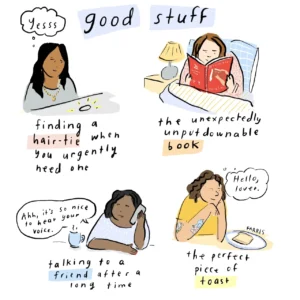
Many people overlook simple pleasures while searching for happiness in big achievements. However, living well often starts with appreciating the small, everyday moments that bring calm and contentment. Understanding these moments is an essential part of learning how to live with balance and clarity.
Simple pleasures help ground you in the present. They shift your attention away from stress and toward awareness. When you focus on what would make today great, these small joys often provide the answer. A quiet morning, a short walk, or a meaningful conversation can reset your mindset more effectively than major accomplishments.
Why Simple Pleasures Improve Mental Well-Being
Simple pleasures create emotional stability. They lower mental overload and encourage gratitude, which supports long-term well-being. These moments also help you understand how to find motivation without external pressure.
Examples of simple pleasures include:
-
Enjoying a calm morning routine
-
Taking mindful breaks during the day
-
Spending time in nature or silence
-
Practicing gratitude or reflection
-
Completing small tasks with focus
Comparison: Simple Pleasures vs Constant Stimulation
Simple pleasures promote presence and calm. Constant stimulation leads to distraction and fatigue. When life is filled with noise and urgency, motivation becomes unstable. Simple pleasures restore balance and make it easier to stay prepared for daily responsibilities.
How Simple Pleasures Support Being Prepared
When you appreciate simple moments, you reduce mental clutter. This clarity helps you stay emotionally and practically prepared. Instead of feeling rushed, you approach tasks with patience and confidence.
Living well is not about removing challenges. It is about building a lifestyle where simple pleasures support resilience, preparation, and daily motivation.
Everyday Simple Pleasures You Can Enjoy Without Spending Money
How Simple Pleasures Fit Into Daily Life
Living well does not require expensive habits or constant entertainment. Many of the most powerful simple pleasures are free and easily accessible. When you understand how to live with intention, you begin to notice that small moments often create the greatest sense of calm and satisfaction.
Free simple pleasures allow you to reconnect with yourself without pressure. They help answer the question, what would make today great, in a realistic and sustainable way. These moments remind you that peace is not something you buy, it is something you practice.
Free Simple Pleasures That Support a Calm Mind
Incorporating these moments into your routine can improve emotional balance and clarity:
-
Sitting quietly with your morning drink
-
Taking a mindful walk outdoors
-
Practicing deep breathing or short reflection
-
Writing a short gratitude list
-
Decluttering a small space
-
Listening to calming sounds or silence
Each of these actions supports mental clarity and makes it easier to understand how to find motivation naturally.
Comparison: Free Simple Pleasures vs Paid Comforts
Free simple pleasures build long-term awareness and presence. Paid comforts often provide temporary relief. While both have value, relying only on external comforts can weaken emotional resilience.
Free pleasures encourage self-sufficiency and help you stay emotionally prepared. Paid comforts can sometimes distract from deeper needs.
How Free Simple Pleasures Help You Stay Prepared
By reducing dependence on external stimulation, you become more grounded. This mental clarity improves planning, focus, and decision-making. Being prepared becomes easier when your mind is calm and focused.
Living well is about recognising that simple pleasures are not small. They are essential.
How to Live Mindfully Through Simple Daily Choices
How to Live With Awareness and Intention
Mindful living is a practical approach to how to live well without feeling overwhelmed. It focuses on awareness in everyday decisions rather than major lifestyle changes. When you slow down and pay attention to small choices, you naturally create space for simple pleasures and mental clarity.
Mindfulness helps you notice patterns in your thoughts and actions. This awareness makes it easier to recognise what would make today great instead of reacting to stress automatically. Simple daily choices, when made consciously, can reshape the way you experience life.
Mindful Daily Choices That Improve Quality of Life
These small decisions can have a powerful impact:
-
Choosing presence over multitasking
-
Pausing before responding to stress
-
Creating intentional transitions between tasks
-
Limiting unnecessary distractions
-
Ending the day with reflection
These habits support emotional balance and help you understand how to find motivation without relying on pressure or urgency.
Comparison: Mindful Living vs Autopilot Living
Mindful living encourages awareness and calm. Autopilot living leads to routine without meaning. When you live on autopilot, even enjoyable moments lose their impact. Mindfulness allows simple pleasures to feel fulfilling rather than rushed.
Mindfulness and Being Prepared
Mind strengthens your ability to plan and prepare. When you are present, you notice details and anticipate needs. This makes being prepared feel natural rather than stressful.
Living mindfully does not mean controlling every moment. It means engaging fully with what is happening now and making thoughtful choices that support well-being and daily motivation.
Asking the Right Question: What Would Make Today Great?
Using Daily Intentions to Live Well
One of the simplest ways to improve your quality of life is by asking yourself, what would make today great. This question shifts your focus from long-term pressure to present-moment intention. It encourages a practical approach to how to live with clarity rather than overwhelm.
Daily intentions help you set emotional direction. Instead of reacting to everything that happens, you choose how you want to experience the day. This mindset creates space for simple pleasures and supports steady emotional balance.
How This Question Changes Your Perspective
Asking what would make today great helps you prioritise what truly matters. It reduces mental noise and strengthens decision-making. This question also supports how to find motivation, because it breaks goals into manageable daily actions.
Examples of meaningful daily intentions include:
-
Staying calm during stressful moments
-
Completing one important task with focus
-
Making time for a simple pleasure
-
Being mentally prepared for challenges
-
Ending the day with gratitude
Comparison: Daily Intentions vs Rigid Daily Plans
Daily intentions offer flexibility and awareness. Rigid plans can create pressure and frustration. While planning is important, intentions allow you to adapt while still staying aligned with your values.
Intentions support being prepared emotionally, even when things do not go as planned.
Why This Practice Supports Living Well
When you consistently ask what would make today great, you begin to shape your days with purpose. Motivation becomes more natural, preparation feels lighter, and simple pleasures gain meaning.
Living well is built one intentional day at a time.
Building a Morning Mindset That Sets the Tone for the Day
How Mornings Influence How You Live
The way you start your morning often determines how to live the rest of your day. A rushed and reactive morning can create stress that lingers for hours. A calm and intentional start, however, allows space for simple pleasures and mental clarity.
Mornings are a powerful opportunity to reconnect with yourself before the demands of the day begin. When you begin by asking what would make today great, you set a clear emotional direction and reduce unnecessary pressure.
Simple Morning Habits That Support Living Well
Creating a supportive morning routine does not require complexity. Small, consistent actions can make a meaningful difference:
-
Waking up without immediate screen use
-
Practicing a few moments of silence or breathing
-
Setting one clear intention for the day
-
Preparing for the day calmly and deliberately
-
Allowing time for a simple pleasure
These habits also support how to find motivation, as they create momentum without force.
Comparison: Calm Mornings vs Rushed Mornings
Calm mornings promote focus, stability, and preparedness. Rushed mornings increase anxiety and reactive behaviour. When mornings are chaotic, even well-planned days feel overwhelming.
Calm mornings support being prepared both mentally and practically.
Why a Morning Mindset Matters
A strong morning mindset helps you respond thoughtfully rather than react impulsively. It improves decision-making and emotional regulation throughout the day.
Living well is not about perfect mornings. It is about creating a consistent start that supports motivation, preparation, and appreciation for simple pleasures.
How to Find Motivation When You Feel Stuck or Tired
Understanding Motivation and Its Role in Living Well
Learning how to find motivation is essential for anyone who wants to live well consistently. Motivation is not just about forcing yourself to act; it is about aligning your energy with meaningful daily actions. When you understand your internal drives, you can maintain momentum while still enjoying simple pleasures and calm moments.
Motivation often emerges when you break tasks into manageable steps. By asking what would make today great, you identify small actions that feel achievable and meaningful, even when energy is low. This creates a sustainable approach to personal growth and productivity.
Practical Ways to Find Motivation Daily
Even small steps can produce significant results:
-
Focus on one meaningful task at a time
-
Celebrate small wins throughout the day
-
Reflect on your purpose and values each morning
-
Incorporate simple pleasures as rewards
-
Use visualization to imagine completing key goals
These strategies support being prepared emotionally and mentally, reducing stress and increasing confidence.
Comparison: External Motivation vs Internal Motivation
External motivation relies on rewards or pressure from others. Internal motivation comes from clarity, purpose, and self-direction. While external motivation can work temporarily, internal motivation supports long-term consistency and calm living.
Why Motivation Is Linked to Living Well
When you know how to find motivation, life feels manageable rather than overwhelming. You approach tasks intentionally, enjoy simple pleasures without guilt, and remain mentally prepared for challenges.
Living well is less about constant energy and more about aligning your actions with your values, goals, and daily intentions.
Small Wins and Progress: The Secret to Sustainable Motivation
How Small Wins Shape How You Live
Living well is often built on small wins rather than giant leaps. Understanding how to live effectively means recognising that consistent, manageable progress leads to long-term satisfaction and reduces stress. Celebrating these wins reinforces confidence and helps you stay aligned with simple pleasures and intentional choices.
Focusing on progress rather than perfection answers what would make today great. Even tiny achievements, like completing one task mindfully or taking a brief mindful break, contribute to overall momentum and motivation.
How to Use Small Wins for Daily Motivation
Integrating small wins into your routine strengthens consistency:
-
Break large tasks into small, actionable steps
-
Track accomplishments in a journal or planner
-
Reward yourself with a simple pleasure after completing tasks
-
Reflect on daily progress each evening
-
Adjust goals as needed without guilt
These steps support how to find motivation naturally and maintain mental clarity.
Comparison: Focusing on Small Wins vs Chasing Big Goals
Focusing only on big goals can create pressure and anxiety. Small wins offer immediate reinforcement and a sense of accomplishment. While long-term goals are important, celebrating small achievements provides daily motivation and emotional stability.
How Small Wins Enhance Being Prepared
When you regularly acknowledge small wins, you gain awareness of your capabilities and resources. This mental clarity improves your ability to plan, organize, and stay prepared for both expected and unexpected tasks.
Living well is not about constantly achieving monumental milestones. It is about appreciating small steps, building confidence, and staying motivated each day.
The Role of Being Prepared in Living a Calm Life
Why Being Prepared Matters
Being prepared is a cornerstone of how to live well. Preparation is not just about planning tasks; it is about reducing stress, staying organized, and creating mental space to enjoy simple pleasures. When you are ready for what the day may bring, you can focus on calm, intentional living rather than reacting to chaos.
Preparation also answers what would make today great by giving you control over your environment and schedule. When you anticipate challenges, you reduce the chances of being caught off guard, which keeps motivation steady and energy balanced.
Practical Ways to Practice Being Prepared
Incorporating preparation into your daily routine supports both productivity and emotional well-being:
-
Plan your day the night before
-
Keep a simple to-do list with prioritized tasks
-
Prepare essentials for work or home the evening prior
-
Allocate time for breaks and simple pleasures
-
Review key responsibilities each morning
These habits also help you understand how to find motivation, as preparation reduces friction and makes taking action easier.
Comparison: Being Prepared vs Being Reactive
Being reactive leads to stress, forgotten tasks, and missed opportunities. Being prepared creates calm, focus, and confidence. While spontaneity has its place, consistent preparation strengthens your ability to live intentionally.
How Being Prepared Supports Living Well
Being prepared ensures that your energy is used efficiently and mindfully. It allows you to enjoy moments fully, embrace simple pleasures, and respond to challenges with resilience. Preparation is not rigidity; it is freedom through foresight.
Living well is not luck; it is the result of thoughtful preparation combined with daily motivation and awareness.
Simple Ways to Stay Prepared Without Feeling Stressed
How to Be Prepared Calmly
Being prepared does not mean overplanning or creating rigid schedules. True preparedness supports how to live well while keeping your mind free for simple pleasures. When you integrate practical systems without pressure, you can handle daily tasks and challenges with ease and confidence.
Being prepared also answers what would make today great, as you are able to focus on meaningful activities rather than scrambling to manage unexpected events. This approach keeps your motivation steady and your mental energy balanced.
Practical Strategies for Stress-Free Preparation
Simple, low-pressure habits can make a big difference:
-
Keep a concise daily or weekly planner
-
Use reminders for essential tasks rather than overloading memory
-
Set aside small blocks of time for reflection and adjustment
-
Organize your environment to reduce clutter and distractions
-
Plan for both work and time for simple pleasures
These strategies support how to find motivation naturally, as preparation removes friction and prevents overwhelm.
Comparison: Stressful Preparation vs Calm Preparation
Stressful preparation involves overthinking, rigidity, and unnecessary pressure. Calm preparation uses intention, simplicity, and flexibility. While both approaches aim for readiness, calm preparation encourages mental clarity and emotional stability.
Why Calm Preparation Enhances Living Well
When preparation is effortless and flexible, you feel empowered rather than burdened. It allows more room for enjoying the present, embracing simple pleasures, and pursuing meaningful daily goals. Being prepared becomes a tool for freedom, focus, and sustained motivation.
Living well combines readiness with calm, ensuring that you can face challenges and enjoy life without unnecessary stress.
How Preparation Creates Freedom, Not Pressure
Rethinking What It Means to Be Prepared
Many people associate being prepared with stress, rigidity, and constant planning. However, true preparation is a source of freedom. When you organize your day, your environment, and your mind, you gain control over how you spend your time. This freedom supports how to live intentionally while enjoying simple pleasures and achieving daily goals.
Preparation also answers what would make today great by allowing you to prioritize important activities without distraction. You create a structure that promotes calm, confidence, and steady motivation.
Ways Preparation Leads to Freedom
Being prepared is most effective when it is flexible and purposeful:
-
Plan essential tasks while leaving space for spontaneity
-
Keep tools, documents, or materials organized for easy access
-
Set realistic goals instead of overwhelming yourself
-
Review your priorities daily to stay focused
-
Balance responsibilities with moments of simple pleasures
This approach helps you understand how to find motivation naturally because the path to action becomes clear and stress-free.
Comparison: Preparation as Pressure vs Preparation as Freedom
Preparation as pressure creates anxiety, perfectionism, and burnout. Preparation as freedom creates mental clarity, confidence, and emotional stability. One focuses on obligation; the other empowers intentional action.
Why Freedom-Based Preparation Improves Living Well
When preparation feels freeing, you can enjoy life’s moments without guilt or rush. You are ready for challenges and more present for opportunities. Motivation remains steady because you are confident and calm, not scattered or reactive.
Living well is supported by preparation that liberates your time, energy, and focus, making daily life smoother and more fulfilling.
Creating a Daily Balance Between Joy, Discipline, and Purpose
How to Live a Balanced and Fulfilling Life
Living well is about harmony between simple pleasures, responsibilities, and meaningful goals. Understanding how to live means balancing joy, discipline, and purpose each day. Without this balance, life can feel chaotic or unfulfilling, even when you are productive.
Daily balance allows you to integrate what would make today great into your routines. It ensures that motivation remains consistent and that being prepared does not become overwhelming.
Practical Steps to Achieve Daily Balance
You can create balance through intentional actions:
-
Allocate time for both work and leisure
-
Schedule moments to enjoy simple pleasures each day
-
Set clear but flexible goals to maintain discipline
-
Reflect on progress and adjust routines as needed
-
Prioritize tasks that align with your long-term purpose
These practices support how to find motivation because you experience a sense of accomplishment without sacrificing well-being.
Comparison: Balanced Life vs Overloaded Life
A balanced life harmonizes responsibilities, pleasure, and personal growth. An overloaded life prioritizes quantity over quality, leading to stress and reduced motivation. While busy schedules can feel productive, they often prevent appreciation for daily moments.
How Balance Supports Being Prepared
Balance enhances preparedness by allowing mental clarity and energy for priorities. When your day includes both discipline and joy, preparation becomes easier and less stressful, enabling you to respond effectively to challenges.
Living well means designing each day so that joy, purpose, and discipline coexist, creating a fulfilling and sustainable lifestyle.
Common Mistakes That Prevent People from Living Well
How Missteps Affect How You Live
Even with the best intentions, people often struggle with how to live well because of common mistakes. Overlooking simple pleasures, neglecting preparation, or chasing motivation in the wrong way can create stress and frustration. Recognizing these pitfalls helps you adjust and focus on meaningful, intentional living.
Many people forget to ask what would make today great, instead prioritizing tasks, obligations, or distractions. This can lead to burnout, low motivation, and missed opportunities to enjoy life’s small joys.
Common Mistakes to Avoid
-
Ignoring simple pleasures in daily routines
-
Relying only on external motivation for action
-
Overplanning or underpreparing, causing stress
-
Focusing on perfection instead of progress
-
Neglecting reflection on daily intentions
Correcting these mistakes supports how to find motivation naturally and ensures that being prepared does not become overwhelming.
Comparison: Mistaken Habits vs Intentional Habits
Mistaken habits are reactive, rushed, and externally driven. Intentional habits are proactive, thoughtful, and aligned with values. While both aim to manage life, intentional habits produce calm, fulfillment, and sustainable motivation.
How Avoiding Mistakes Improves Living Well
By recognizing and correcting these common missteps, you create space for clarity, preparation, and enjoyment of simple pleasures. Motivation becomes consistent, decision-making improves, and your daily experience becomes more meaningful.
Living well is about learning from mistakes and adopting habits that foster calm, purpose, and intentional daily living.
Conclusion: Living Well Is a Daily Practice, Not a Destination
Embracing Daily Intentions to Live Well
Living well is not a one-time achievement but a continuous practice. Understanding how to live fully means integrating simple pleasures, motivation, and preparation into each day. By asking what would make today great every morning, you create intentional moments that shape your life over time.
Daily practice allows you to notice small wins, stay emotionally and mentally prepared, and maintain steady motivation. When you focus on actionable steps rather than abstract ideals, life becomes more fulfilling and manageable.
Key Takeaways for Living Well
-
Appreciate simple pleasures as essential, not optional
-
Start each day by asking what would make today great
-
Stay prepared mentally, emotionally, and practically
-
Recognize and celebrate small wins to maintain motivation
-
Balance discipline with joy and purpose in daily routines
These strategies ensure that how to find motivation and maintain focus are woven naturally into everyday life.
Comparison: Life as Practice vs Life as Destination
Viewing life as a practice emphasizes growth, presence, and adaptation. Viewing life as a destination focuses on results and milestones, which can lead to frustration and stress. A practice-based mindset allows enjoyment of simple pleasures while staying prepared and motivated daily.
Why Daily Practice Matters
Consistently applying these principles builds resilience, emotional clarity, and confidence. Motivation becomes intrinsic, preparation feels empowering, and simple pleasures enrich your life continuously. Living well is not about reaching perfection—it is about creating a rhythm of intentional action and mindful enjoyment every day.
FAQs
-
What are simple pleasures and why are they important?
Simple pleasures are small, enjoyable moments in daily life. They improve well-being, reduce stress, and enhance focus on how to live intentionally. -
How can I learn how to live a more fulfilling life?
Start by integrating daily habits that include mindfulness, being prepared, motivation, and appreciation of simple pleasures. -
What would make today great in a practical sense?
Focusing on achievable tasks, small wins, gratitude, and moments of joy helps answer what would make today great while maintaining motivation. -
How to find motivation when I feel stuck?
Motivation comes naturally when you align your actions with purpose, celebrate small wins, and include simple pleasures in your daily routine. -
Why is being prepared essential for living well?
Being prepared reduces stress, increases focus, and allows you to enjoy life fully. It supports daily motivation and enhances your ability to make intentional choices. -
How do simple pleasures contribute to mental clarity?
By slowing down and noticing small joys, simple pleasures reduce mental clutter and increase focus on meaningful activities. -
Can daily preparation improve overall life satisfaction?
Yes, consistent being prepared creates calm, reduces anxiety, and supports a balanced life filled with motivation and simple pleasures.